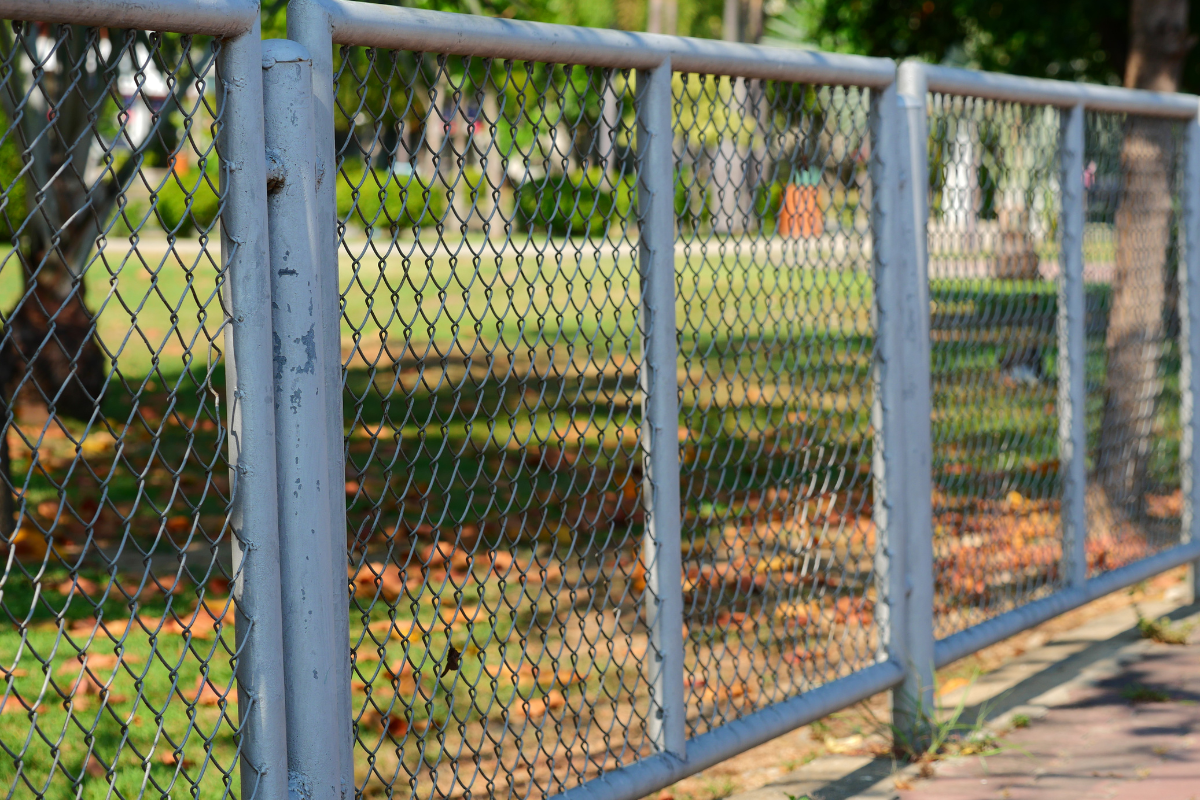
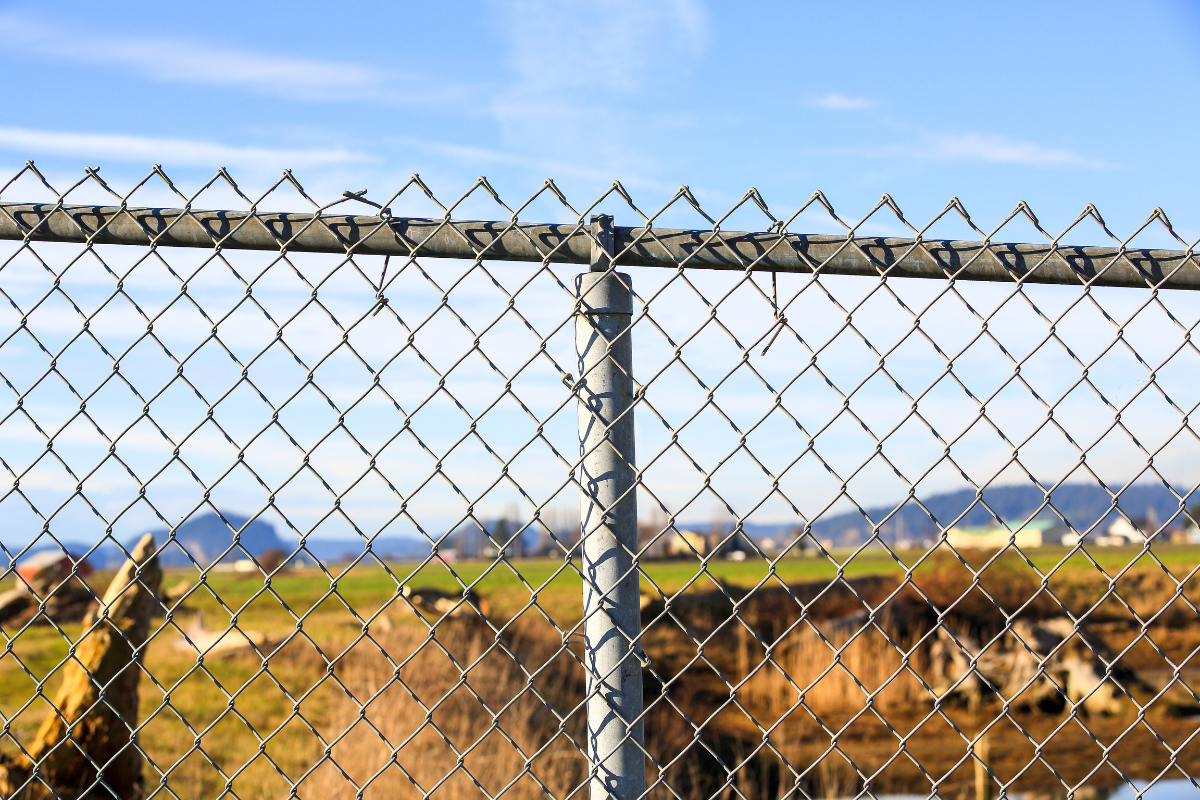
Walk any alley behind a commercial strip or past a neighborhood ballfield and you will see the workhorse of perimeter control: chain link. It is honest, durable, and cost effective. When a facility manager needs to secure a utility yard before a delivery of copper coils next week, or a homeowner wants to corral a new dog before the weekend, the phone call often goes to a local chain link fence company that can mobilize quickly. Fast turnaround matters, but speed only helps if the installation holds true, the gates swing cleanly, and the line stays straight through winter heave and summer heat.
This is where the craft shows. I have installed hundreds of runs of chain link fencing across residential lots, schools, water treatment plants, and temporary job sites. The fastest projects are not the ones where crews sprint, but where planning is tight, materials are right the first time, and the foreman knows how to navigate municipal lead times. If you are comparing chain link fencing services with an eye on both schedule and performance, it helps to understand what actually drives timeframes, what you can do to help, and how to evaluate a chain link fence contractor who promises speed without cutting corners.
Where the Time Goes
Every chain link fence installation has the same broad stages, whether it is 60 feet in a backyard or half a mile along a light industrial park: site prep, layout, digging or driving posts, setting concrete where required, framing with top rail and tension wire, stretching the fabric, and hanging gates and hardware. The part that surprises many clients is that the physical work often moves faster than the paperwork and logistics.
Permits and utility locates can add anywhere from two to ten business days, depending on jurisdiction. In some towns, a low fence in the rear yard clears over the counter in a day. In others, anything along a street frontage needs a zoning review. A good chain link fence contractor will file utility locate requests the day you sign, not the day the crew shows up, and will know whether your area allows driven galvanized posts without concrete or requires set-depth concrete footings across the line.
Materials can be same week for common items: 11.5 gauge galvanized fabric, 2 inch mesh, 1.875 inch line posts, 2.375 inch terminal posts, standard through-bolted hinges, and pressed steel caps. Lead time stretches when the specification calls for vinyl-coated color fabric, privacy slats, 6 gauge tennis court mesh, 8-foot-plus height, barb wire arms, or cantilever gates. During peak season, powder-coated framework might be three to five weeks out. If you need a fast turnaround, decide early which features are truly essential and where you can accept standard stock.
Weather and soil conditions alter sequencing and cure times. Augered holes in heavy clay hold shape, but collect water. Sandy loam may cave in, which slows digging and increases concrete volume. Frost depth matters because a 24 inch embed in a warm region does not compare to a 42 inch embed in a cold one. Crews that know local soils adjust their methods, for example driving schedule 40 posts with a pneumatic pounder where code allows, which avoids concrete cure times altogether and can cut a day off the schedule on long runs.
Choosing a Chain Link Fence Company When Speed Counts
Fast work flows from coordination and experience, not slogans. Several signs tell you whether a chain link fence company can deliver speed without compromising quality. They should walk the site with a tape, a measuring wheel, and stakes, not just eyeball the property lines on a phone. They should offer a written layout with gate locations, hinge swing direction, and end and corner post counts, because hardware and terminal post quantities drive the pace. They should specify the fabric gauge, mesh size, framework schedule, and coating clearly to prevent delays in procurement. Most important, they should give a realistic calendar, not just a start date.
Ask them to explain their plan for utilities, concrete mix and cure, and hardware availability. Listen for specifics: 811 ticket number and date, slump mix versus dry pack around posts, whether they use a mechanical stretcher and come-alongs to tension fabric, whether they pre-hang gate frames for squareness, and whether they carry spare hinges in the truck to avoid a return trip. The best chain link fencing services document these details right on the proposal because they know that clarity now saves time later.
A Walkthrough of a Fast, Clean Install
The cleanest example I can offer came from a logistics yard that needed 380 linear feet of 8-foot chain link with three double-swing gates, installed in five working days to meet insurance requirements after a theft. We procured galvanized 2 inch mesh fabric in 9 gauge core with 6-gauge finished twist at the top and bottom, 2.875 inch terminal posts at corners and gate ends, and 2.375 inch line posts to stiffen the height against wind load. Barb wire arms were standard three-strand at a 45 degree inside rake. The site was flat, compacted gravel. No irrigation lines to dodge, but heavy truck traffic required cones, a spotter, and off-peak staging.
Day one was layout and posts. A two-person crew set stringlines, marked 10-foot centers, and drove line posts with a 60-pound gas pounder to 40 inches embedment. Terminals were core-drilled through the old concrete curb and wet-set with 5,000 PSI mix. By late afternoon, caps were on, and we dry fit the top rail to confirm line. Because we drove the line posts, there was no concrete cure step there.
Day two was rails, tension wire, and mid-bracing at every gate post pair. The crew welded a diagonal brace plate on the gate posts to accept the bracing, torqued the brace bands, and tensioned the bottom wire with a ratchet tightener every 100 feet. We stash extra bands and tension bars in the truck for cases where coverage plans change at the last minute. There is always a change when the client sees it in person.
Day three was fabric stretch and ties. Two stretches at 180 feet each, one shorter at 20 feet, all pulled with a stretcher bar and two come-alongs. We clipped with aluminum ties at 12 inches on the top rail, 18 inches on each line post, and 24 inches on the bottom wire. A third installer floated to hang the pedestrian gate hardware, align hinges, and install tamper-proof carriage bolts.
Day four wrapped up with barbed wire, gate latches, and final plumb checks. We returned day five only for punch, because an insurance inspector wanted an alternate latch at one double gate to accept a specific padlock style. No rework, no schedule slip, and the client’s carrier signed off before the new copper delivery.
That job moved fast because materials were standard, the site allowed driven posts, and the contractor controlled the sequence. When clients ask for the same pace in a backyard with irrigation lines, a swing set, two dogs underfoot, and a neighbor’s hedge at the property line, expectations need adjustment. It still goes quickly, but the plan changes.
Residential Speed Without Mess
Homeowners care about three things during a fast fence install: no surprise damage, the yard staying usable, and the final line looking like it belongs. The quickest way to wreck goodwill is to rip through sprinkler mains or compact a lawn with a tracked machine. A careful chain link fence contractor will test for irrigation by probing gently near the house where lines often branch, ask for the controller map if one exists, and hand dig near suspicious zones. Layout sticks should step in a foot where property lines are unclear, then the contractor can adjust to exact boundary once a survey pin or stake is found.
In most cases, a backyard run under 150 feet with a single 4-foot walk gate can be installed in one to two days once utilities are cleared and materials are on site. If the soil allows driven posts, one day is realistic. If concrete footings are required, it often means day one post setting and day two fabric and gate after initial set, with a caution to use the gates gently for 24 to 48 hours while the concrete gains strength.
Vinyl-coated black or green systems add lead time because the fabric, rails, and posts must match. If you need speed and the color is negotiable, galvanized is almost always in stock. If aesthetics are important, choose galvanized framework with black vinyl-coated fabric only, which is more likely to be available than a fully coated system. That compromise often cuts a week off procurement.
Commercial Requirements and How They Affect Turnaround
Commercial and municipal chain link projects layer in other requirements that affect speed. Many specs require mid-bracing at long runs, schedule 40 pipe instead of lighter gauge tubing, welded gate frames with heavy-duty ball-bearing hinges, and full height terminal posts set in larger diameter footings. You may see tension wire required both top and bottom, or a mid-rail to resist climb. Cantilever gates demand more space for counterbalance and often require a concrete track or a grade beam.
These measures improve performance and longevity, but they slow the install if not planned. On a site where poor subsurface soils are anticipated, we sometimes pour a continuous grade beam under a double cantilever gate to prevent settlement. That is a two-visit task minimum, with a three to seven day cure depending on mix and temperature, which must be built into the schedule. The trade-off is a gate that rolls straight in January rather than dragging after two freeze-thaw cycles.
Security add-ons like razor wire, privacy slats, and windscreen also change the timeline. Slats can be installed after the fence is functional, which lets you meet a deadline for perimeter control while the crew returns next week to finish the aesthetic portion. Windscreen installs faster in cool, calm weather than in a hot breeze, a small factor that becomes big when you have 600 feet to screen on the south side of a stadium.
What Makes a Repair Truly Fast
Repair work follows its own logic. A chain link fence repair that seems simple can drag if the contractor needs to source a matching gate frame or color. The fastest repairs use stock parts, splice cleanly, and re-stretch only as much fabric as necessary.
Common quick repairs include re-setting a loose line post with a new concrete collar, replacing bent top rail with swaged ends, re-hanging a sagging gate by shimming hinges or upgrading to adjustable gudgeons, and patching torn fabric with a short panel and two tension bars. A skilled tech can re-plumb a terminal post that has shifted by cutting the old footing square, needle-scaling the post, and resetting with a fast set mix, then bracing to the adjacent post while it cures. That is a half-day fix in most cases.
Vandalism and vehicle strikes are different. If a truck hits a corner at 3 miles per hour, expect to replace the terminal post, two line posts, three rail sections, and 20 to 30 feet of fabric. The fabric might be salvageable if the knuckles are not unraveled, but bent steel tends to kink. Most chain link fencing services that advertise emergency response keep a rack of 8, 10, and 12-foot rails, common post sizes, bands, and hinges in the shop precisely for these calls. A next-day repair is realistic if the damage is localized and access is clear.
Balancing Speed, Cost, and Durability
You can install chain link fast, cheap, or heavy duty. You rarely get all three at once. Fast and durable means standard materials on hand and efficient labor, not bargain-bin pipe. Cheap and durable means waiting for bulk deliveries or off-season pricing. Fast and cheap often shows up as thin-wall tubing that dents easily, shallow post embedment, or too few ties, which drives callbacks.
A good chain link fence contractor will press you to consider wind load, gate frequency, and the habits of the people using the fence. At a daycare, the latch height and self-closing mechanism matter as much as the 4-foot height. At an equipment yard, the bottom tension wire or a full bottom rail keeps thieves from lifting fabric. At a tennis complex, 10-foot fabric and 1.75 inch mesh with a mid-rail keeps balls in and the surface clear of tie wire ends. None of those change the basic pace dramatically, but they shift materials and detailing, which has scheduling implications.
How Owners Can Help Compress the Schedule
Contractors do their best work, and their fastest work, when owners make decisions promptly and provide clear access. Here are five ways clients reliably cut days off a chain link fence installation without compromising quality:
- Mark desired gate swing direction and verify widths before materials are ordered, especially for double-drive gates that must accommodate trailers or equipment. Confirm property lines or provide a survey if the fence will be near a boundary, so crews do not lose time stepping in and re-laying after neighbor objections. Remove obstacles along the fence line in advance, including brush piles, temporary sheds, and old concrete footers if possible, or authorize the contractor to handle them. Approve standard finishes and gauges when the difference is aesthetic rather than functional, which keeps procurement on the fast track. Ensure vehicles, pets, and deliveries will not block access on install days, and notify neighbors if shared driveway space will be used.
Notice that none of those involve the crew speeding up. They cut friction, which is where most delays come from.
The Craft Behind a Straight Line
People sometimes think chain link is forgiving. It is not. It tells on sloppy work. You see every waver in the top rail, every under-tensioned stretch in the scallop of the mesh, every high spot where the bottom wire floats above grade. The fastest way to keep a line straight is to invest time up front in layout and to use the right tools at the right moment.
We keep a set of composite stringlines and drive them high enough that you do not trip them while carrying a 21-foot top rail. We set terminals first and plumb them twice, once wet and once before torqueing the brace bands. We use two come-alongs per stretch beyond 100 feet to pull evenly, and we lean the stretcher bar a hair toward the fence so that when we release, the mesh relaxes to perfect. Ties go on with consistent spacing, and we snap tie tails clean, not twisted like bread ties that catch clothing. Gates are fitted last, not as an afterthought, but to account for any minute shifts during the stretch.
None of that slows a job. It prevents the most time-consuming problem of all: rework. Rework kills schedules and profits. Crews that understand the craft finish fast because they do it right the first time.
When Fast Turnaround Meets Tough Conditions
Every region has its quirks. Along the coast, salt air accelerates corrosion, so a galvanized system might need https://sethmlqe782.lucialpiazzale.com/quick-chain-link-fence-installation-without-sacrificing-quality a heavier coating, aluminized fabric, or vinyl-coated mesh to reach a ten-year performance target. In the desert, sun and wind erase tarps and screens in two seasons if the ties are too sparse or the screen has too little porosity. In freeze-thaw zones, heaving soils tilt posts that are not embedded below frost depth or braced properly at terminals. Fast installations in these conditions require local experience and honest constraints.
I have seen teams try to salvage speed by cutting corners on concrete or by omitting bottom tension wire in windscreen zones. Those fences kept the schedule, and the callbacks arrived with the first storm. The right way is to adapt: deeper footings, driven posts where code allows, heavier framework, proper screen with grommets every 12 inches, and more frequent rail ties. The schedule stretches by a day. The fence lasts years longer.
Finding the Right Chain Link Fencing Services Near You
Not every chain link fence company is the same. Some specialize in small residential projects and can slot you in between larger jobs. Others outfit crews for industrial sites with security screening and card-access gates. For fast turnaround, match the contractor to your project type. A crew that sets three backyard fences a week will not be as efficient on a 20-foot cantilever gate with a 30-foot counterbalance. The industrial crew might not be cost effective on a 60-foot garden enclosure, and they will not beat the small shop’s schedule during their busy season.
When you call, ask about current backlog in weeks, not vague “soon.” Ask how many crews are available and whether they run repair teams separately, which can help you get a chain link fence repair on the calendar within days. If you need chain link fence installation with a hard deadline, tell them up front, and be ready to select from stock materials they can confirm that day. You will get better dates, firmer pricing, and fewer surprise changes.
What It Costs to Move Quickly
Fast work is efficient work, not necessarily discounted work. Expect residential galvanized chain link in the 4-foot height to price in the low to mid teens per linear foot for basic installs in many markets, with gates priced separately and corner/gate posts bumping the number. Vinyl-coated and privacy slats add cost. Commercial 8-foot chain link with barb wire and heavier framework commonly lands several times higher per foot due to materials and labor intensity. Rush schedules might add a small premium if it requires overtime or weekend work, but many projects hit fast timelines simply by prioritizing you in the production queue and using stock materials.
If a quote is far lower than others and promises the quickest schedule, compare the specification line by line. Some quotes quietly shift to lighter wall tubing, fewer ties, shallow embedment, or omit bottom tension wire. Savings at bid time become costs later.
The Role of Maintenance After a Quick Install
A fast install does not absolve anyone of maintenance. Chain link is low maintenance, not no maintenance. A seasonal walk along the fence line pays off. Cut vines that creep into mesh and lift it. Check that gates latch cleanly and adjust the hinges with a wrench if frost or settling has nudged them. Look for signs of corrosion at welds, especially on coastal sites. Re-tension bottom wire if it slackens. Quick action here avoids larger repairs later and protects your initial schedule investment.
For commercial sites, a simple checklist at quarterly intervals keeps things tight: verify that gate rollers spin freely, confirm that barb wire strands are taut, check for missing tie wires, and ensure that any windscreens are intact with grommets secured. A 30-minute inspection prevents the two-hour emergency call when a gate drags and blocks a truck bay.
Where Speed Meets Accountability
Speed without accountability is a liability. The best chain link fencing services walk you through what to expect, confirm schedule dependencies, and do not hide behind jargon. If rain pushes a concrete set day, they call early and reschedule before you waste a morning waiting. If a material substitution is needed to meet a deadline, they present the trade-offs clearly, not after the fact. They carry insurance, they stand by their fence, and they respond to small issues quickly.
I have lost bids to lower prices and got calls six months later to fix rattling top rails, gates that sagged the week after install, and fabric that unzipped at the seam because the knuckles were not peened properly. Those fixes cost more than doing it right at the start, and they certainly take longer than an extra hour on day one.
A Practical Path to Your Faster Fence
If you are ready to proceed, set the project up for success. Call a chain link fence contractor with local references, agree on a clear scope and schedule, and decide early on materials that are available now. Confirm utilities, settle gate locations, and clear the line. Once the crew arrives, trust their sequence. Good installers move with a rhythm: layout, posts, rails, wire, fabric, gates. Interruptions and scope changes slow the dance. Ask questions, but keep decisions concise.
Chain link is not glamorous, but it does an essential job as well as any building product we use. When designed and installed with care, it is quiet and dependable. With the right planning and a capable chain link fence company, you can get it done quickly, without stress, and without sacrificing the qualities that make it the workhorse of fences.
Whether you need an urgent chain link fence repair after a storm, a quick perimeter for a new dog, or a full chain link fence installation around a new warehouse, prioritize experience, clarity, and stock-available materials. Fast turnaround follows naturally from those choices.
Southern Prestige
Address: 120 Mardi Gras Rd, Carencro, LA 70520
Phone: (337) 322-4261
Website: https://www.southernprestigefence.com/